 how-to
How to Avoid Overpaying for Mountain Property
Table of Contents
- Start With Local Market Research Before You Bid
- Use Mountain Home Comparable Sales to Set Your Number
- Build a Budget That Includes the True Cost of Mountain Ownership
- Run Mountain Property Due Diligence on Access, Land, and Utilities
- Work Through the Mountain Home Inspection Checklist
- Apply Mountain Home Negotiation Strategies That Protect Your Price
- Know the Hazards and Insurance Costs Before You Sign
- Frequently Asked Questions
Last Updated: October 19, 2026
Start With Local Market Research Before You Bid
Learning how to avoid overpaying for mountain property starts with one habit: knowing the local market before you fall in love with a listing. At Purple Mtn Group, we've watched buyers skip this step and pay for it at closing. Mountain property is not a single market. It is dozens of small ones, each with its own price rhythm.
Here is what that research looks like in practice:
- Track how long listings sit before they sell
- Note the gap between asking price and final sale price
- Watch which neighborhoods see price reductions
- Check whether sales cluster in ski season or mud season
That last point matters more than most guides admit. Mountain markets swing with the seasons. A seller listing in October may be more flexible than one listing in February.
According to consumer guidance on buying a home, buyers should research local prices and get inspections before committing. Basic advice, but mountain markets make it urgent.
Use Mountain Home Comparable Sales to Set Your Number
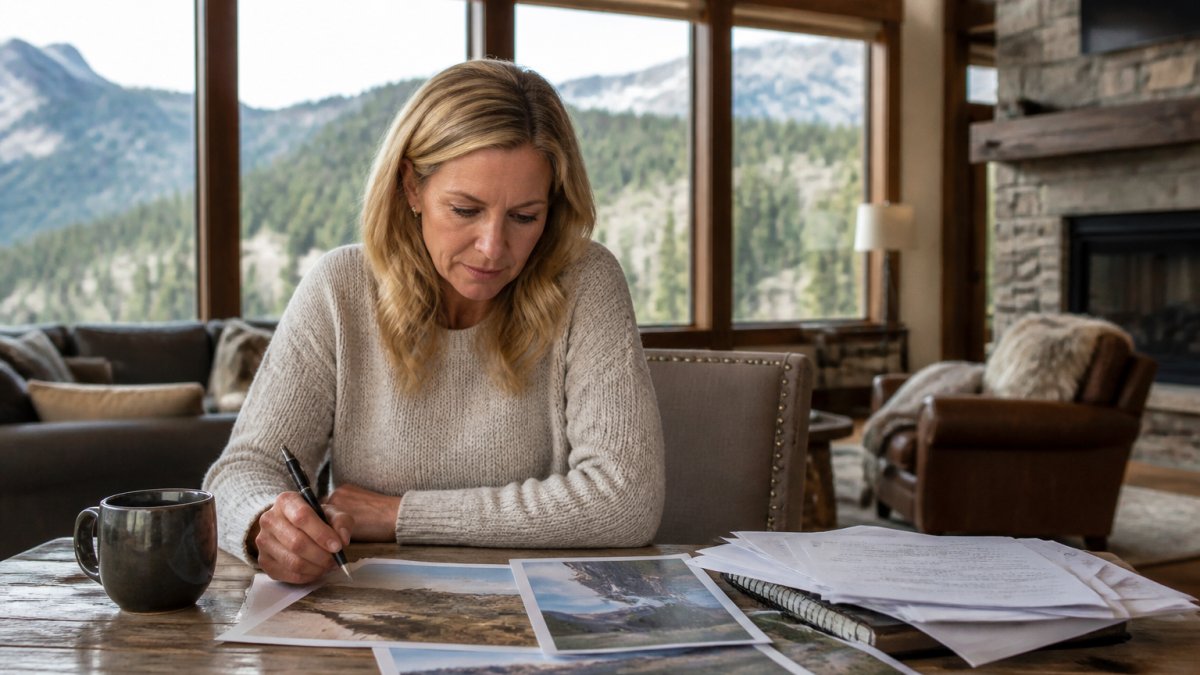
Mountain home comparable sales are the closest guide to real value you will get, but building a usable comp set in the mountains takes more work than it does in a subdivision.
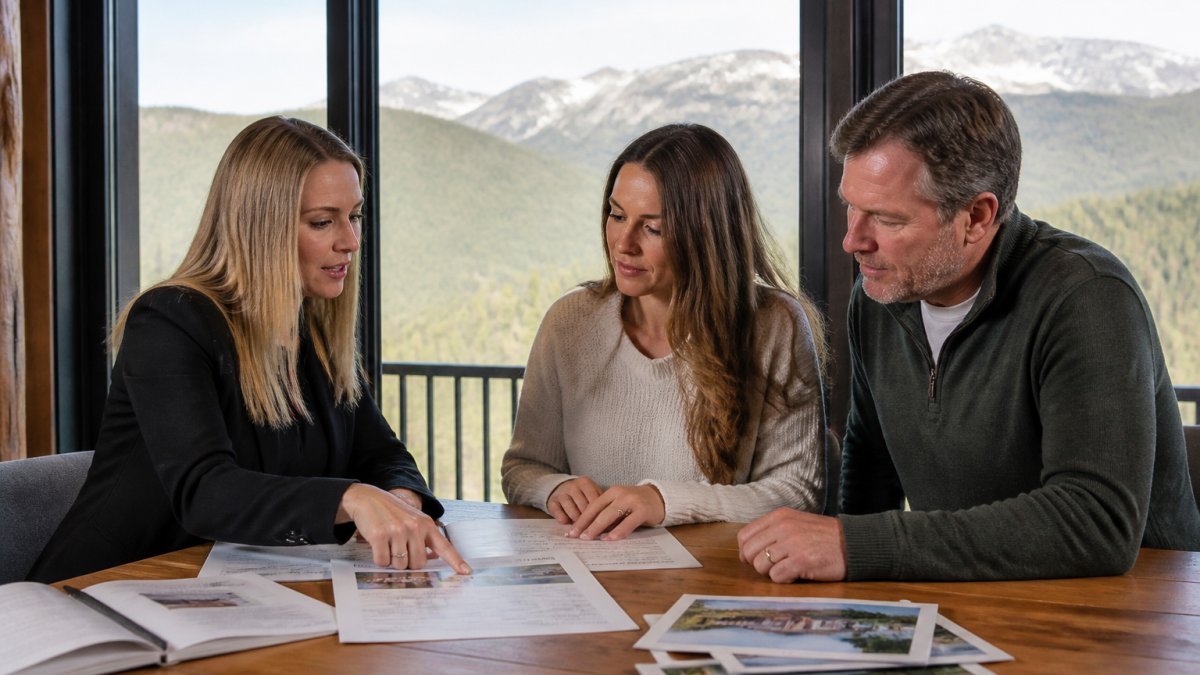
The catch is that mountain comps are harder to build than suburban ones. Two homes a mile apart can differ wildly in access, slope, and sun exposure. A paved driveway and a plowed road add real value.
How to adjust mountain comps
Start with the raw sales, then adjust each one for these mountain-specific variables:
- Access and road maintenance. A comp on a county-maintained paved road is worth more than one on a private gravel road with a shared maintenance agreement. Note who plows and who pays.
- Elevation and slope. Steep lots cost more to build on, maintain, and insure. Flat, usable acreage commands a premium. Check the grade and the buildable area, not just the total acreage.
- Views and sun exposure. A protected view corridor or southern exposure adds value; a lot facing a future development or shaded most of the day does not.
- Utilities. A comp on municipal water and sewer is not directly comparable to one on a well and septic. Adjust for the cost and risk of private systems.
- Acreage and usable land. Ten acres of steep timber is not the same as ten acres of meadow. Compare usable land, not just the deed acreage.
- Seasonality of the sale. A sale that closed in February may reflect winter access constraints; a sale that closed in July may reflect peak tourism demand. Note the closing date and adjust if the market swings.
Where to find mountain comps
Your agent's multiple listing service is the starting point, but ask for the raw export, not a curated summary. Pull expired and withdrawn listings as well as sold ones, homes that failed to sell tell you where the ceiling really is. County assessor records can confirm acreage, zoning, and whether permits were pulled for additions or outbuildings. For land sales, check whether the parcel had power, water, or septic at the time of sale; a raw lot and a buildable lot are different products.
Set your number from the adjusted range
Once you have adjusted three to five comps, you will have a range rather than a single number. Use the low end of that range as your opening anchor and the midpoint as your ceiling unless you can document why your property deserves more. Write the number down before you tour the property, and bring it to the negotiation table. A comp set you built yourself is the strongest evidence you can put in front of a seller.
Build a Budget That Includes the True Cost of Mountain Ownership
The purchase price is only part of what a mountain property costs you. Total cost of ownership catches most first-time mountain buyers off guard, and it is where overpaying quietly happens. A home that looks affordable on paper can strain a budget once snow removal, heating fuel, insurance, and private utilities stack up. The fix is to build a line-item annual budget before you make an offer, not after you close.
The line items that surprise buyers
Plan for these ongoing costs, and get local quotes rather than national averages:
- Snow removal. A contracted plow for a long private driveway often runs several hundred dollars per storm or a seasonal retainer; owning a plow means truck payments, fuel, maintenance, and storage. Ask neighbors what they actually pay.
- Heating fuel. Propane, heating oil, or electric resistance heat can swing widely with weather and price. Ask the seller for the last two years of fuel bills, a common pattern is that a poorly insulated home costs far more to heat than its listing photos suggest.
- Insurance. Wildfire and winter weather drive premiums up, and some carriers limit coverage in high-risk areas. Get quotes before you remove contingencies, and ask about defensible-space requirements and roof age.
- Well and septic. Testing, pumping, and repairs are on you. A failed well or leach field is a major cost that belongs in your offer math, not your first year of ownership.
- Road maintenance or HOA fees. Shared private roads often have a maintenance agreement or association dues. Ask for the budget and the reserve fund balance; a road association with no reserves is a future assessment.
- Property taxes. Mountain counties often reassess after sales, so the seller's tax bill may not be yours. Check the assessor's methodology and whether a recent sale triggers a new valuation.
- Deferred maintenance. Roofs, decks, and exterior paint take a beating at elevation. Budget an annual reserve for repairs rather than treating them as surprises.
Turn the line items into a number
Add up the annual ownership costs, then subtract that figure from your comfortable monthly housing budget before you set an offer ceiling. A common approach is to set your maximum purchase price below what a lender approves, then stress-test the budget with a 10-15% cushion for the costs you cannot yet quote.
Many buyers find that a slightly smaller home with better access costs less to own than a larger one on a rough road. That trade-off is worth thinking through early, because it changes which listings you tour and how you negotiate.
Run Mountain Property Due Diligence on Access, Land, and Utilities
Mountain property due diligence is the step that separates a good buy from an expensive lesson. Due diligence means checking the facts about access, land, and utilities before you are locked in.
Start with access. Ask these questions:
- Is the road public, private, or an easement?
- Who plows it, and who pays?
- Can you reach the home year-round in bad weather?
- Does the title clearly grant your right to use the road?
Next, look at the land. Check slope, drainage, and any flood or wildfire exposure. Confirm boundary lines with a survey if anything looks unclear.
Then utilities. Confirm whether the home uses a well or municipal water, and septic or sewer. Ask for recent well tests and septic inspections. A failed well or septic system is a major cost, and it belongs in your offer math, not your first year of ownership.
Access, water, and septic decide whether a mountain property is livable and financeable. Verify all three before you negotiate price.
Work Through the Mountain Home Inspection Checklist
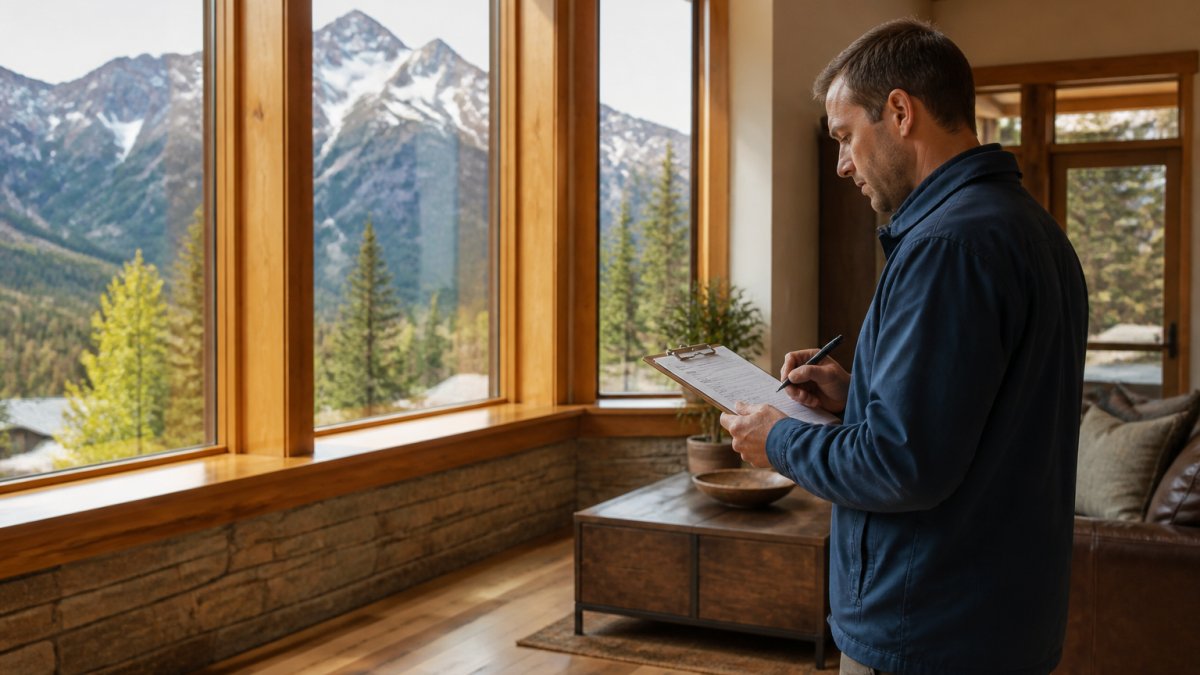
A mountain home inspection checklist goes beyond a standard inspection. Mountain homes face conditions that flatland homes do not, and the inspection should reflect that.
Use this checklist as your baseline:
- Roof condition and snow load history
- Foundation and grading for frost heave
- Heating system and fuel storage
- Well flow rate and water quality
- Septic system condition and leach field
- Driveway grade and drainage
- Deck and railing integrity
- Wildfire defensible space around the home
- Chimney and wood stove condition
- Insulation and window performance for cold
Bring a local inspector who knows mountain construction. A general inspector from the city may miss frost damage or a marginal well.
If the inspection turns up big-ticket issues, you have two choices: negotiate a credit or walk away. Both are legitimate. Neither is a reason to overpay.
Apply Mountain Home Negotiation Strategies That Protect Your Price
Mountain home negotiation strategies work best when you have use and patience. Use comes from research. Patience comes from knowing you can walk away.
Try these moves:
- Anchor your offer to your comps, not the asking price
- Ask about seller motivation, such as a job move or a timeline
- Use inspection findings to request credits or repairs
- Stay calm if the seller counters high; restate your evidence
- Keep a walk-away number written down before you talk
The strongest position is a buyer who knows the market and is not in a hurry. Sellers sense urgency, and it costs you money.
Know the Hazards and Insurance Costs Before You Sign
Insurance is where mountain buyers get surprised most often. Wildfire, wind, and winter weather drive premiums up, and some carriers limit coverage in high-risk areas.
Get quotes before you remove contingencies. Call more than one carrier and ask about wildfire exposure, roof age, and defensible space requirements. If insurance is hard to place, that is a signal about the property, not just the market.
Also review hazard maps for wildfire and flood zones. Check whether the property sits in a designated high-risk area, and factor any required mitigation into your budget. A home that needs a new roof for insurability costs more than its price tag suggests.
Buying a mountain home without overpaying takes research, honest numbers, and a team that knows the terrain. Purple Mtn Group brings 30 years of licensed real estate experience, more than $250 million in sales, and deep knowledge of Summit and Grand County markets to every transaction.
Frequently Asked Questions
How do you know if a mountain property is overpriced?
Compare the asking price against recent mountain home comparable sales of similar size, acreage, access, and utilities within the same area. Look at days on market and any price reductions. A property sitting well above nearby sales with no clear justification, like a new roof or verified well and septic, is a signal to dig deeper. An experienced agent can pull these comps and flag where the price drifts from market value.
What should buyers inspect before making an offer on mountain property?
Beyond the standard mountain home inspection checklist, verify the well yield and water quality, septic system condition, roof and snow load, foundation for frost heave, and heating systems. Check road access and maintenance agreements, utility easements, and any HOA rules. Confirm insurance availability before you commit, since some hazards affect insurability. Skipping these steps is one of the fastest ways to overpay for mountain property.
How can you negotiate the price of a mountain home?
Use inspection findings, appraisal gaps, and seller motivation as leverage. If the appraisal comes in below the purchase price, renegotiate rather than covering the gap in cash. Ask about the seller's timeline and reason for selling; a motivated seller has more room to move. Request credits for needed repairs instead of letting the seller choose the contractor. Strong mountain home negotiation strategies focus on documented facts, not emotion.
What costs should you include when budgeting for a mountain property?
Budget beyond the purchase price for higher insurance premiums in hazard-prone areas, snow removal, road maintenance or HOA dues, well and septic upkeep, propane or heating fuel, and property tax reassessment after purchase. Add a reserve for deferred maintenance common on older mountain homes. These ownership costs can meaningfully change affordability, so factor them in before you set your maximum offer.